
For most homes and gaming setups in 2026, a Cat6a shielded patch cable is the sweet spot — it handles 10 Gbps up to 100 meters and shrugs off interference. A basic Cat6 cable (1 Gbps) is enough for casual use, while Cat8 is overkill unless you're running a 25G/40G home lab. In Pakistan, expect to pay roughly Rs. 800–1,200 for Cat6, Rs. 1,800–2,800 for Cat6a, and Rs. 3,500–5,500 for Cat8 patch cables (approximate local-market prices) — always choose 100% copper, never copper-clad aluminum (CCA).
Table of Contents
- Why Go Wired? Wi-Fi vs Ethernet in 2026
- Ethernet Cable Categories Explained (Cat5e to Cat8)
- Cat5e vs Cat6 vs Cat6a vs Cat7 vs Cat8: Comparison Table
- Best Ethernet Cables to Buy in 2026 (PKR + USD Prices)
- Copper vs CCA: The Hidden Trap to Avoid
- Shielded (STP) vs Unshielded (UTP): Which Do You Need?
- Buying Ethernet Cables in Pakistan: Local Tips
- Frequently Asked Questions
- Final Verdict
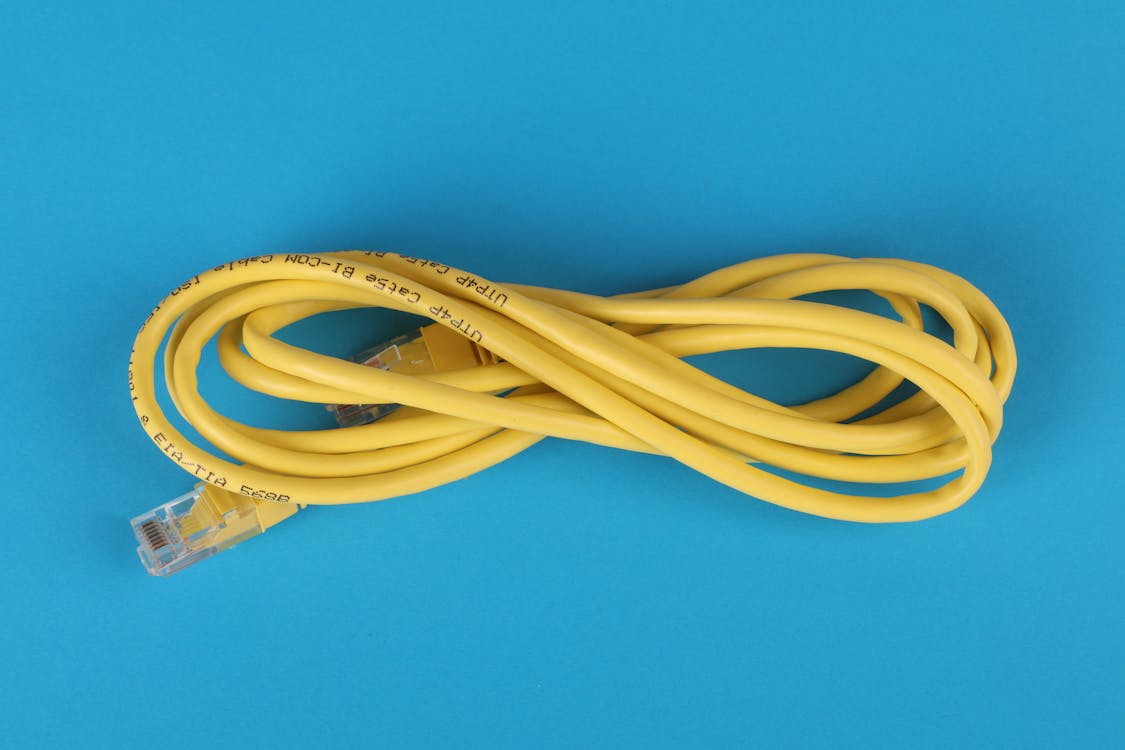
Why Go Wired? Wi-Fi vs Ethernet in 2026
Even with Wi-Fi 6, Wi-Fi 7 and gaming routers getting faster every year, nothing beats a cable for raw stability. A wired Ethernet connection gives you lower ping, zero interference from walls and neighbors, and consistent speeds — which is why competitive gamers, streamers, and work-from-home professionals still run a cable to their PC or console in 2026.
If you pair a good router with a quality cable, your connection becomes rock solid. Check our best Wi-Fi routers buying guide for the router side of the equation — this guide covers the cable side.
Ethernet Cable Categories Explained (Cat5e to Cat8)
Every Ethernet cable carries a "Cat" (Category) rating that tells you its maximum speed and bandwidth. Here is what each one means in plain language:
- Cat5e — The old workhorse. 1 Gbps up to 100m. Fine for basic internet use but outdated for new purchases.
- Cat6 — 1 Gbps up to 100m, 10 Gbps up to 55m. The minimum sensible buy in 2026 for gaming and streaming.
- Cat6a — 10 Gbps up to 100m, thicker shielding. The best all-rounder for homes and small offices.
- Cat7 — 10 Gbps up to 100m with extra shielding. Mostly a marketing category; Cat6a does the same job cheaper.
- Cat8 — 25–40 Gbps up to 30m. Built for data centers and 25G home labs — serious overkill for most buyers.
Unlike USB-C and Thunderbolt cables, where connectors differ, all of these use the same RJ45 plug and are fully backward compatible — a Cat8 cable works fine in a Cat5e-era router, it just won't run faster than the slowest device in the chain.
Cat5e vs Cat6 vs Cat6a vs Cat7 vs Cat8: Comparison Table
| Category | Max Speed | Bandwidth | Max Distance | Best For |
|---|---|---|---|---|
| Cat5e | 1 Gbps | 100 MHz | 100 m | Legacy setups only |
| Cat6 | 1 Gbps (10 Gbps to 55 m) | 250 MHz | 100 m | Budget gaming & streaming |
| Cat6a | 10 Gbps | 500 MHz | 100 m | Best overall for 2026 |
| Cat7 | 10 Gbps | 600 MHz | 100 m | Skip it — buy Cat6a |
| Cat8 | 25–40 Gbps | 2000 MHz | 30 m | Data centers / 25G labs |
Best Ethernet Cables to Buy in 2026 (PKR + USD Prices)
Based on 2026 market prices (USD figures are approximate 2026 retail estimates; PKR figures are approximate Pakistan-market estimates):
1. Cat6 UTP Patch Cable (Budget Pick — Most Buyers)
A plain Cat6 patch cable is all most people need. Brands like Monoprice and Cable Matters sell 10-foot Cat6 cables for under $5, with 25–50 ft lengths around $8–15. In Pakistan, a 5-meter Cat6 patch cable costs roughly Rs. 800–1,200 at local markets. Perfect for connecting your PC, PS5, or smart TV to the router.
2. Cat6a Shielded Patch Cable (Best Overall)
This is our top recommendation for 2026. A shielded 10-foot Cat6a cable costs roughly $10–22 from reputable brands — full 10 Gbps with excellent interference resistance. In Pakistan expect around Rs. 1,800–2,800 for a 5–10 m shielded Cat6a cable. Ideal for gamers and anyone with a 1 Gbps+ fiber connection.

3. Flat Cat6 Cable (For Running Under Carpets & Doors)
Flat cables (e.g. UGREEN flat Cat6, ~$8–13 for 12 m) slide neatly under carpets and through door gaps. Great for renters who can't drill holes. In Pakistan, flat Cat6 cables run roughly Rs. 1,200–2,000. Slightly less durable than round cables, so avoid them for in-wall runs.
4. Cat8 S/FTP Cable (Enthusiast / Future-Proof Pick)
Cat8 cables (e.g. UGREEN Cat8 15 m braided, ~$24) deliver 40 Gbps up to 30 m. In Pakistan, expect roughly Rs. 3,500–5,500. Honest advice: unless you own 25G network gear, this is money you won't feel — buy Cat6a and spend the difference elsewhere.
5. Outdoor / Direct-Burial Rated Cable (For Outdoor Runs)
Running a cable to an outdoor camera or a backyard office? You need a UV-resistant, waterproof (direct-burial rated) cable — standard indoor jackets crack in sunlight within a year. Budget roughly $15–30 (Rs. 4,000–8,000 approx.) for a 30 m outdoor-rated Cat6 cable.
Copper vs CCA: The Hidden Trap to Avoid
This is the single most important buying tip in this guide. Cheap cables are often made from copper-clad aluminum (CCA) instead of pure copper. Aluminum has about 55% more resistance than copper, which means more heat, weaker Power over Ethernet (PoE) performance, and cables that fail sooner. Twisted-pair cabling standards require 100% copper conductors — CCA is a shortcut, not a bargain.
How to spot CCA: if a long cable is suspiciously cheap and the listing doesn't clearly say "pure copper" or "bare copper conductors," assume it's CCA and walk away. Legitimate pure-copper Cat6 cables cost under $5 for 10 ft, so there's no reason to gamble.
Shielded (STP) vs Unshielded (UTP): Which Do You Need?
UTP (unshielded) cables are thinner, cheaper, and easier to bend — fine for short runs behind a desk. STP/SFTP (shielded) cables wrap the wire pairs in foil or braiding that blocks electromagnetic interference from power cables, fluorescent lights, and other electronics. Choose shielded if your cable runs near power lines, through walls, or longer than 15 meters. For a 2-meter desk run, UTP is perfectly fine and easier to manage.
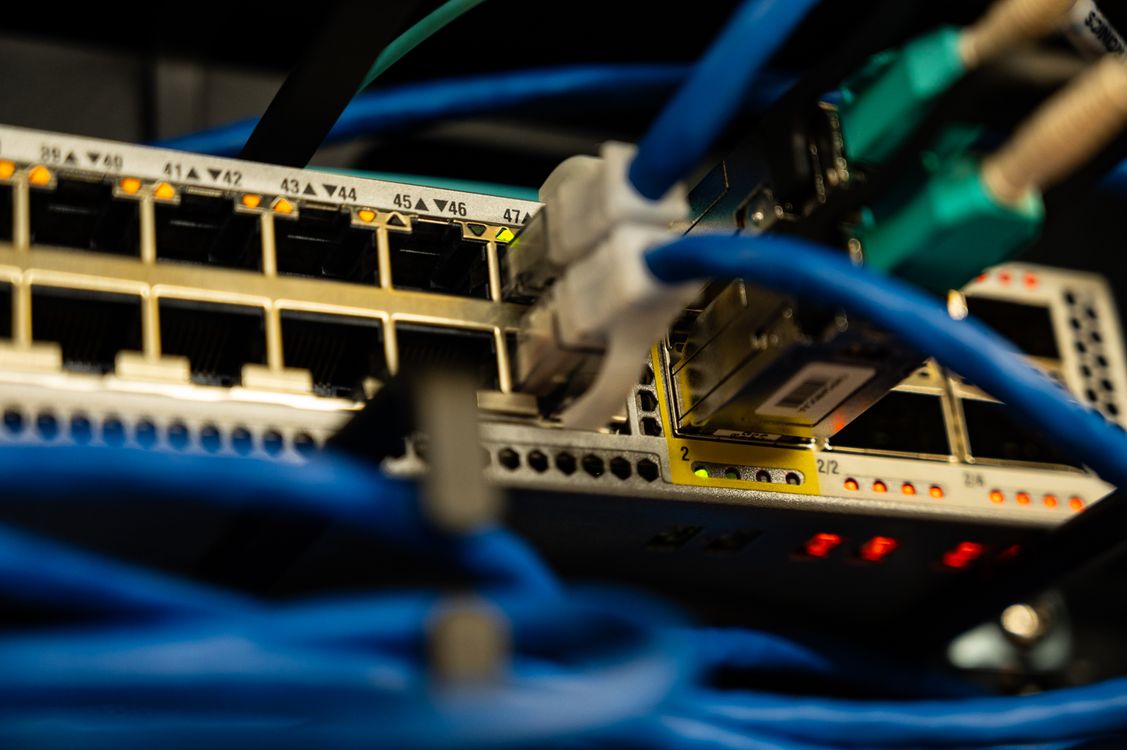
Buying Ethernet Cables in Pakistan: Local Tips
- Where to buy: Hall Road Lahore and Techno City Karachi have the widest selection and the sharpest prices — always compare 2–3 shops before buying. Online, check Daraz and local computer stores, but verify the cable is pure copper, not CCA.
- Ask before you pay: Ask the shopkeeper for the cable's category printed on the jacket and whether conductors are pure copper. Reputable sellers will show you the jacket markings; hesitation is a red flag.
- Length matters: Measure your run first and buy the next size up — a cable stretched taut fails faster. A 10 m cable for a 7 m run is the right call.
- Connectors: Look for gold-plated RJ45 connectors and a snagless boot (the little rubber guard over the clip) — it stops the locking tab snapping off in your bag.
- Don't overpay for "Cat7/Cat8" hype at local shops: many "Cat8" cables sold cheaply in local markets are relabeled Cat5e. For gigabit internet, a genuine Cat6 or Cat6a from a known brand beats a fake Cat8 every time.
Frequently Asked Questions
Is Cat6 enough for gaming in 2026?
Yes. Cat6 handles 1 Gbps easily, which is more than any current game or streaming service needs. Upgrade to Cat6a only if you have multi-gigabit fiber (2.5 Gbps+) or want maximum future-proofing.
Does a more expensive Ethernet cable give faster internet?
No — your internet speed is set by your ISP plan and router, not the cable. What a better cable gives you is reliability: fewer dropouts, stable ping, and headroom for faster plans later. A $5 pure-copper Cat6 beats a $30 CCA "Cat8" every time.
Can I use an old Cat5e cable with a new Wi-Fi 6 router?
Yes, it will work, but Cat5e caps you at 1 Gbps and has weaker interference resistance. If you're paying for a fast fiber plan or gaming competitively, a $5–10 Cat6/Cat6a upgrade is the cheapest performance boost you can buy.
What is the maximum length of an Ethernet cable?
100 meters for Cat5e, Cat6, Cat6a and Cat7; 30 meters for Cat8 at full 25–40 Gbps speed. Beyond 100 m you need a switch or repeater in the middle. For home use, anything under 30 m performs identically regardless of category.
Are flat Ethernet cables as good as round ones?
For short runs, yes — flat Cat6 cables meet the spec and are great for tucking under carpets. They're slightly less durable and harder to terminate yourself, so use round cables for in-wall or outdoor installations.
Final Verdict
In 2026, the smart money buys Cat6a shielded for the main PC/console run and plain Cat6 for everything else. Skip Cat7 entirely, ignore Cat8 unless you run 25G gear, and never buy CCA no matter how cheap it looks. For buyers in Pakistan, Hall Road Lahore and Techno City Karachi remain the best places to inspect cables in person — check the jacket markings, confirm pure copper, and you'll have a cable that lasts a decade.
Pentium Tech Hub covers computers, laptops, networking and hardware with practical buying guides for readers in Pakistan and beyond — every recommendation checked against real 2026 market prices in both PKR and USD, so you know exactly what a fair deal looks like before you walk into Hall Road or click "buy."
Post a Comment